How Much Does It Typically Cost To Turn A Photo Into A Painting? Why This Is The Wrong Question To Ask
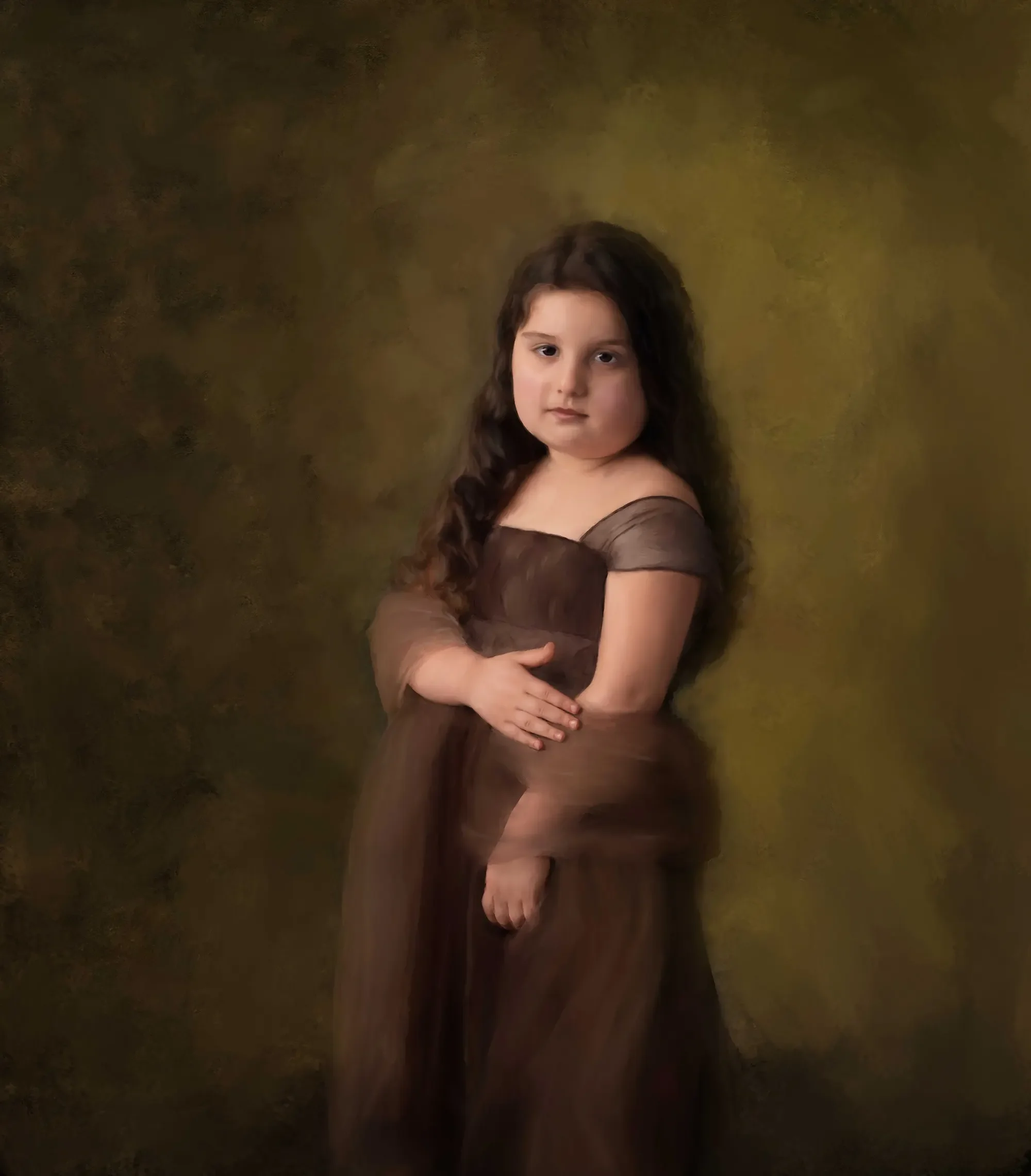
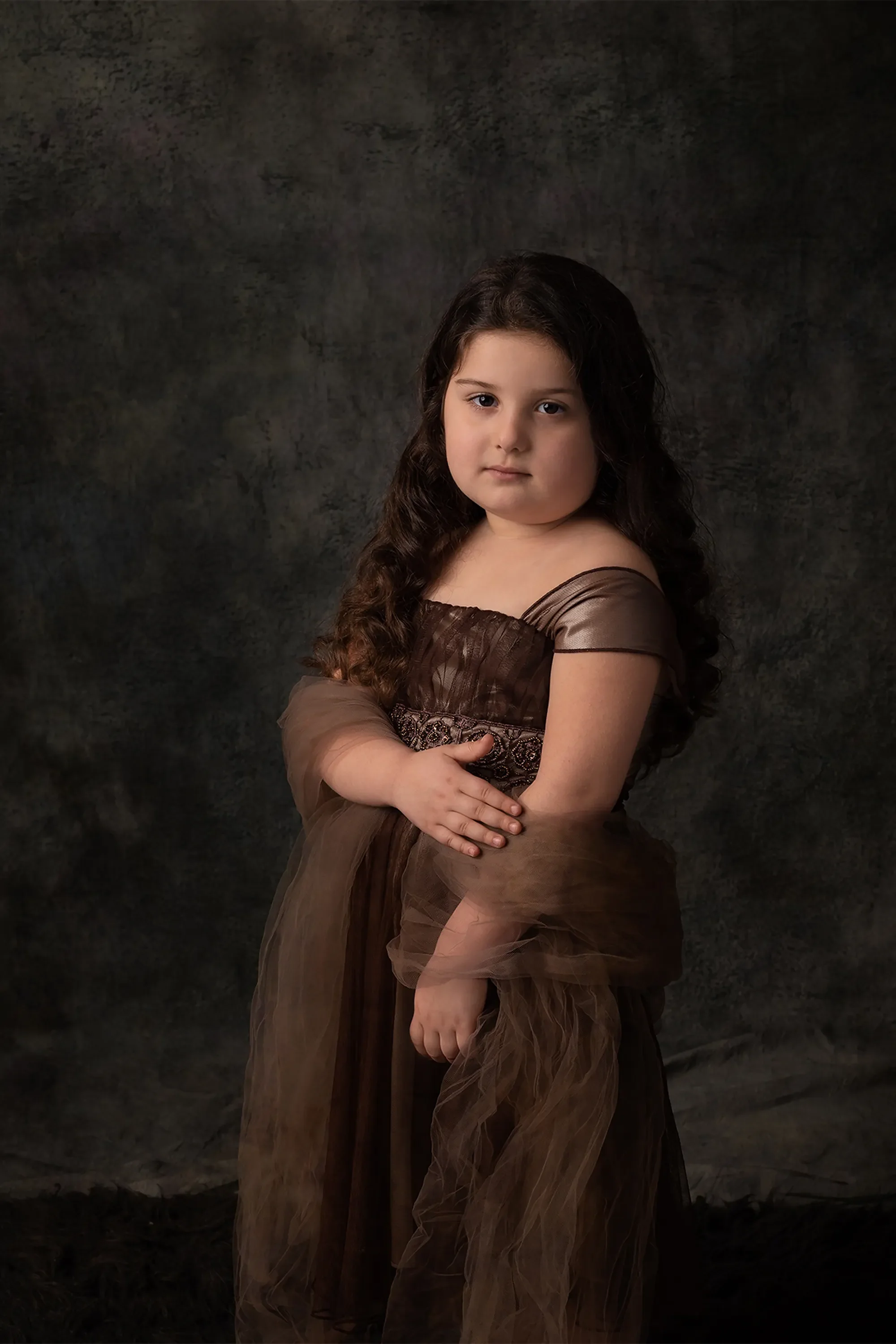
It makes sense to ask, “How much does it cost to turn a photo into a painting”. If you are just starting your search, you do not know what else to ask. But the better question you should be asking is ,”What is being created, and how?”.
A digital painting can be produced in seconds with an automated filter, or built over hours through deliberate decisions. Both are labeled the same. The outcomes are not comparable.
A Filter Applies a Look. An Artist Builds an Image.
You can find photo to painting services for as little as $30. These offer an acceptable result if all you are looking for is something fast, faceless and with a predictable result (your image will end up looking like every other photo to painting). Automated tools apply a preset style to whatever image is provided. They do not evaluate the photo.
Lighting is not corrected
Composition is not improved
Expression is not refined
Color is not intentionally directed
The result reflects the limitations of the original image.
An artist works in the opposite direction. The process begins by evaluating the photo and deciding what needs to change before any painterly work is applied. When you work with a human artist, you should look to see if you get a consultation over the phone, or on Zoom. The artist will ask you questions about why this photo is meaningful to you and what you want to do with the finished result.
Light is balanced or reshaped
Distractions are removed
Color is adjusted to create focus
The subject is separated and emphasized
The painting is constructed, not applied.
The Work Happens Before the “Painting”
What most people identify as the painting phase is only one part of the process.
A strong result depends on preparation of the client submitted photo:
Retouching skin and detail without flattening texture
Adjusting exposure and contrast to create depth
Reworking color relationships so tones feel cohesive
Simplifying or replacing backgrounds to remove visual noise
Refining edges and transitions so the subject reads clearly
Without this foundation, painterly effects exaggerate flaws rather than elevate the image.
Not Every Photo Becomes a Strong Painting
A critical difference in custom work is selection, guidance and the skills of the artist to adapt photos so they can become a strong painting.
Some images cannot be pushed far enough to produce a refined result. Others can be transformed significantly with the right adjustments.
An artist identifies:
Whether the image has enough information to work with
What changes are possible
Where limitations exist
This step determines the success of the final piece.
Control vs. Output
The real distinction is control over the outcome.
Automated process:
Fixed interpretation
No adjustment based on content
Identical treatment across images
Artist-driven process:
Decisions made per image
Adjustments guided by subject and intent
Variations in technique based on what the image needs
The final image reflects a series of choices rather than a single effect.
Where Value Actually Comes From
The value is not tied to the label “digital painting.” It comes from the process behind it.
Time spent refining the image before stylization
Technical skill in retouching, color, and composition
Ability to direct attention and simplify complexity
Judgment about what to change and what to preserve
Consistency in producing a controlled, finished result
The difference is visible in subtle ways: cleaner edges, intentional color, balanced contrast, and a clear focal point.
Reframing the Question
Price varies widely because the underlying work varies widely.
A low-cost result reflects minimal intervention
A higher-cost result reflects layered decision-making and manual execution
The more accurate comparison is not between prices, but between processes.
The question “How much does it cost?” assumes all digital paintings are equivalent. They are not. A filter produces a version of the original image. An artist produces a new interpretation of it.
The distinction is not cosmetic. It is structural.
Katie is an experienced digital artist and offers photo to painting services. If you would like to see if your photo would make a good painting, contact her today.